

Author: Shenye Plastic TechnologyDate:2021-10-12Pageviews:591
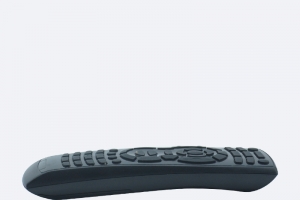
In the ecosystem of smart homes and 3C digital electronics, the remote control is the primary touchpoint between the human and the machine. While we often focus on the chipsets and software, the housing (or shell) is the silent architect of the user experience.
A poorly designed housing can make a premium device feel cheap, while a high-quality one enhances the brand’s value every time a button is pressed. But what exactly does the housing do, and what defines the "best" remote control shell?
The primary role of the housing is to serve as a fortress for the internal PCBA (Printed Circuit Board Assembly). It must protect delicate components from moisture, dust, and the inevitable impact of being dropped on a hard floor.
A remote control is held, not just looked at. The housing defines the "hand-feel." It must be balanced in weight and contoured to fit the palm. Furthermore, the housing must provide precise alignment for the buttons, ensuring that every click provides consistent tactile feedback to the user.
Remote controls rely on Infrared (IR) or Radio Frequency (RF) signals. The housing must include a specialized "window" (usually made of IR-transparent PC) that allows signals to pass through without interference, ensuring the device works from every angle in the room.
The housing must feature a secure yet accessible battery compartment. A well-engineered latch prevents the batteries from falling out during a drop while allowing the user to change them easily without tools.
The "best" housing is a harmony of material science, precision engineering, and surface treatment. At Sunye Plastic, we believe the gold standard involves three key pillars:
ABS (Acrylonitrile Butadiene Styrene): The industry standard. It is tough, cost-effective, and offers excellent surface finish options.
PC (Polycarbonate): Used for high-end remotes or IR windows. It is more impact-resistant than ABS and offers superior heat resistance.
PC/ABS Blends: Often the best choice for premium remotes, combining the strength of PC with the ease of processing of ABS.
The best housing has zero "creak." When you squeeze a high-quality remote, it should feel like a single, solid unit. This requires extremely tight tolerances during the injection molding process. At Sunye Plastic, we use independent mold manufacturing and inspection to ensure that every seam is airtight and every button gap is perfectly uniform.
The best shells are not just raw plastic. They often feature:
UV Coating: To prevent yellowing and scratching.
Matte or Frosted Finish: To hide fingerprints and provide a non-slip grip.
Overmolding (TPE): Adding soft-touch rubber grips for a luxury feel and improved drop protection.
Specializing in 3C digital electronic products and intelligent household shells, Sunye Plastic understands the nuances of remote control production. From the engineering R&D phase to final silk-screen printing and packaging, we ensure that every remote housing we produce is a testament to durability and design.
Whether you are designing a remote for a smart floor sweeper, a home appliance panel, or a complex entertainment system, our 4,000-square-meter facility in Dongguan is equipped to bring your vision to life with precision and pure material quality.
A remote control housing is more than just a plastic box; it is a critical component that defines the longevity and user satisfaction of your product. By choosing the right materials and partnering with a precision molding expert, you ensure that your device feels just as advanced as the technology inside it.

QR code attention
Shenye plastic


