

Author: Shenye Plastic TechnologyDate:2021-10-12Pageviews:577
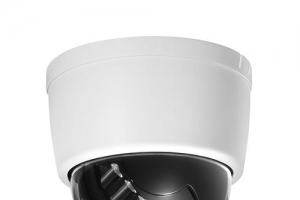
When we discuss home security cameras, we often debate 4K resolution, night vision, and AI motion detection. However, there is a "silent guardian" that determines whether that sophisticated electronics package survives more than a single season: The Casing.
The shell of a security camera is far more than a decorative cover. It is a high-performance enclosure that ensures the "eyes" of your home stay open under the most brutal conditions. Here is why the casing matters and what it should be made of.
For outdoor cameras, the casing must be a fortress. It faces a constant barrage of UV radiation, driving rain, snow, and extreme temperature fluctuations. A low-quality shell will become brittle and crack, allowing moisture to seep in (ingress), which inevitably leads to short circuits and permanent hardware failure.
Security cameras are often targets of the very intruders they are meant to watch. A robust casing provides "Vandal-Proof" protection. In the industry, we measure this using the IK Rating (such as IK10). A high-quality shell prevents someone from disabling the camera with a rock or a stick, ensuring the footage is captured even under attack.
High-resolution sensors and infrared (IR) LEDs generate significant heat. If the casing is poorly designed or made of material with poor thermal properties, the internal temperature will spike, leading to "image noise" or premature aging of the battery and processor.
In the world of precision injection molding, three materials stand out as the gold standard for security camera production:
PC is the preferred choice for domes and transparent covers.
Why it's used: It is virtually unbreakable (used in bulletproof glass). It offers extreme impact resistance and high optical clarity for the lens area.
Best for: Vandal-resistant cameras and high-durability housings.
While many use ABS, ASA is the superior choice for outdoor security housings.
Why it's used: ASA is a "cousin" to ABS but with significantly higher UV resistance. While ABS will turn yellow and become brittle when exposed to the sun for long periods, ASA maintains its color and structural integrity for years.
Best for: Exposed outdoor bullet and turret cameras.
Often used for indoor or semi-protected cameras.
Why it's used: It combines the high impact strength of PC with the excellent moldability and cost-effectiveness of ABS. It provides a premium, high-gloss finish while remaining tough enough for daily use.
At Sunye Plastic, we produce casings for intelligent household products and modified shells that meet the highest international standards. When we manufacture security camera housings, we focus on:
IP-Rated Sealing (IP66/IP67): We use precision overmolding (TPE on PC) to create seamless gaskets that prevent a single drop of water from entering the device.
UV-Stabilized Masterbatches: We don't just use raw resin; we add specific UV stabilizers to ensure the camera maintains its "factory-fresh" look even in tropical or desert climates.
Electromagnetic Shielding: For sensitive smart home devices, we can incorporate internal coatings or specialized additives to prevent signal interference.
A home security camera is only as good as the shell that protects it. By choosing a device with a casing engineered from high-grade ASA or PC, you are investing in a product that will watch over your home through storms, heatwaves, and tampering attempts.
At Sunye Plastic, we believe that the casing is the soul of hardware protection. We are proud to partner with global brands to deliver the rugged, reliable, and aesthetically pleasing housings that keep modern homes safe.

QR code attention
Shenye plastic


