

Author: Shenye Plastic TechnologyDate:2021-10-12Pageviews:586
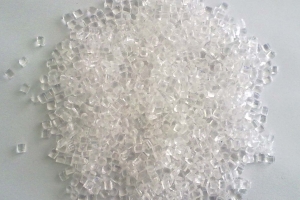
We interact with wall sockets every day—plugging in our laptops, charging our phones, and powering our appliances. They are the "silent gatekeepers" of electricity in our homes. However, we rarely think about the casing that surrounds these live terminals.
If a wall socket is made of the wrong material, it can become a significant fire hazard. So, what kind of materials are truly suitable for making the shells of wall sockets? Let’s dive into the science of electrical safety.
A socket shell serves two critical functions:
Electrical Insulation: It prevents the user from coming into contact with live wires.
Fire Containment: In the event of an internal short circuit or an overloaded wire, the shell must be able to withstand extreme heat and prevent a fire from spreading.
In the modern electrical industry, high-performance Polycarbonate (PC) is the preferred material for high-quality wall sockets.
Flame Retardancy: Premium PC can achieve a V-0 rating under the UL94 safety standard, meaning that even if it catches fire, the flames will extinguish within 10 seconds without dripping.
Heat Resistance: PC maintains its structural integrity at temperatures that would melt or deform lesser plastics.
Impact Resistance: Sockets are often subjected to mechanical stress (think of furniture hitting them or heavy plugs being pulled). PC is incredibly tough and resistant to cracking.
UV Stability: High-quality PC resists "yellowing" over time, ensuring the sockets look new even after years of exposure to sunlight.
ABS is often used in lower-priced sockets or internal structural parts.
Pros: It has a great surface gloss and is easy to mold into complex shapes.
Cons: Pure ABS is flammable and has lower heat resistance compared to PC. In many cases, manufacturers use an ABS-PC blend to achieve a balance between cost and safety performance.
Used primarily in older or specialized industrial sockets, this is a thermosetting plastic.
Pros: It has excellent heat resistance and will not melt (it chars instead).
Cons: It is very brittle and prone to cracking if dropped or hit. It also lacks the aesthetic versatility of modern thermoplastics like PC.
When engineers at Sunye Plastic design and mold shells for electrical switches and panels, we focus on three non-negotiable criteria:
V-0 Flame Retardancy: We only use materials that pass the strict glow-wire test (usually 750°C or 850°C), ensuring that the plastic won't support combustion.
Material Purity: We strictly avoid using "regrind" or recycled plastics for electrical shells. Recycled materials often contain impurities that degrade the insulation properties of the socket.
Wall Thickness Consistency: Through precision injection molding, we ensure that the shell has a uniform thickness, which prevents weak spots that could lead to electrical arcing or mechanical failure.
The wall sockets in your home are far more than just plastic covers; they are a critical layer of your home's safety infrastructure. By choosing products made from high-quality, flame-retardant Polycarbonate (PC), you are investing in a product that protects your family from the hidden dangers of electricity.
At Sunye Plastic, we are committed to providing the global electrical industry with precision-molded shells that meet the highest international safety standards. Safety isn't an option—it's the foundation of everything we build.

QR code attention
Shenye plastic


